
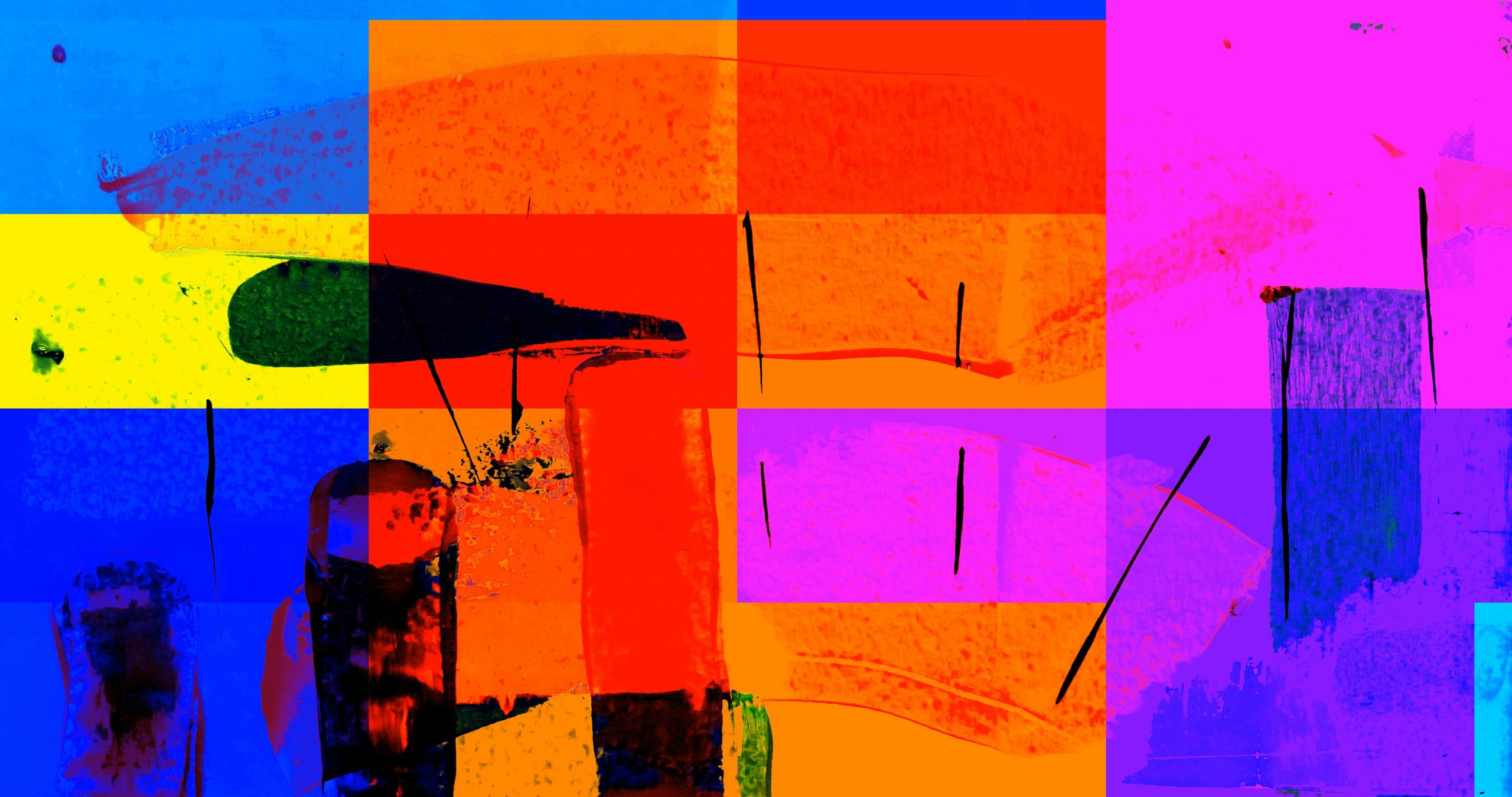
Andy Warhol got the headlines. But the real story of pop art is still being written — in studios across the world, by artists who refused to let the movement become a relic.
Pop art has a reputation problem. Mention it in certain circles and you'll get a knowing smile — as if the whole movement peaked somewhere between a Campbell's soup can and a silk-screened Marilyn Monroe and has been coasting on nostalgia ever since. That is, with respect to those circles, completely wrong.
Pop art was never about the images it used. It was about the argument those images made: that popular culture is culture. That what we consume, what we recognize, what we mass-produce and throw away is just as worthy of artistic attention as a Renaissance altarpiece. That was radical in the 1960s. In a world defined by social media, viral aesthetics, and the endless replication of images, it feels almost prophetic.
"Pop art was never about the images it used. It was about the argument those images made: that popular culture is culture."
The works in this collection that draw from pop's lineage do so with full awareness of what came before — and no interest in simply repeating it. The best contemporary artists working in this vein understand that the source material has shifted. We no longer live in a world of TV dinners and movie billboards. We live in a world of algorithmically curated feeds, influencer aesthetics, and images that move faster than meaning can attach to them. Great pop-influenced work today grapples with all of that.
What I love about these pieces — the ones that made me stop, that earned their wall space — is their refusal to be comfortable. They look familiar. They use colors you recognize. They reference things from the world around you. And then they twist the knife. You realize you've been looking at something critical, something political, something genuinely unsettling dressed up in the costume of a good time.
That's the con at the heart of great pop art, and it's a con I've never gotten tired of.
A number of works in the Elson Collection walk this line with remarkable skill. They seduce first and challenge second. They invite you in with bold palettes and graphic clarity, then reward a longer look with layers of commentary that weren't visible at first glance. Some address consumerism. Some address celebrity. Some address the way we construct and consume identity in the digital age. All of them are doing more than they first appear to be doing.
That's my litmus test for any work — in the pop tradition or otherwise. Does it reward time? Does it have more to say the longer you stay with it? The best pop art does. It's built for the viewer who shows up, looks hard, and refuses the easy read.
The next time someone tells you pop art had its moment and that moment is over, point them toward work being made right now. The conversation is alive. The argument is still being made. And it's more relevant than ever.
· · ·
Works from the pop art tradition are represented throughout the Elson Collection. Visits are by appointment. Contact the gallery for details on specific pieces and available works.